Apply for MAST-P Support

Michigan manufacturers: Access capital and support services through the Michigan Auto Supplier Transition Program (MASTP) and position your business for the future of mobility.

Automation Alley Trade Missions

Your Gateway to New, High-Growth Markets.

Join Project DIAMOnD Academy

Register for the Integr8 2026 Series

Register for AutoTech 2026

Register for AME 2026

July 29-30 in Grand Rapids, MI 

3D Printing Solves Inefficiencies in the Energy Industry

by | Nov 1, 2021

Summary

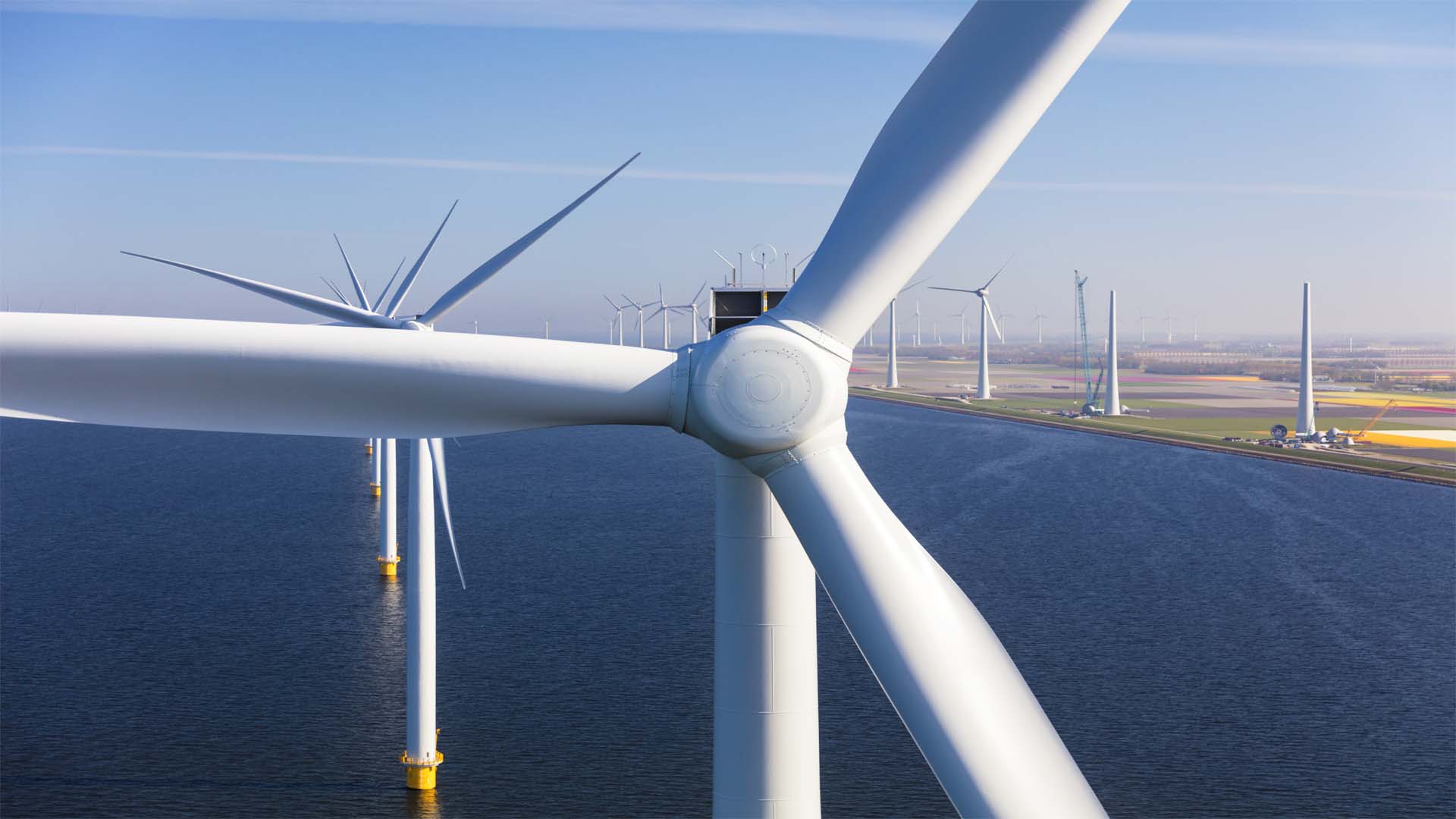
Energy giant Siemens utilizes MarkForged technology to improve business.

Siemens Improves Efficiency with Markforged 3D Printing

Siemens Innovation Center in Orlando, Florida is the only one of its kind in the U.S. to offer a unique pairing of design with manufacturing, implementing a wide array of Industry 4.0 tools. When engineers at the Siemens Innovation Center were tasked with finding a better way to maintain turbines that could help reduce offsite repairs and costly downtime, they turned to 3D printing. In this case study, you will explore how additive manufacturing can provide a better customer solution while staying on the forefront of competitive industries. Discover how your organization can save time and take additive manufacturing into the field.

Check out the full case study here

Automation Alley

Automation Alley is a World Economic Forum Advanced Manufacturing Hub (AMHUB) for North America and a nonprofit Industry 4.0 knowledge center with a global outlook and a regional focus. We facilitate public-private partnerships by connecting industry, education and government to fuel Michigan's economy.
More

Related

ASA Filament vs. ABS: Which Should You Use for Outdoor and UV-Exposed Parts?

ASA Filament vs. ABS: Which Should You Use for Outdoor and UV-Exposed Parts?

ABS is the default for functional 3D printing, but it has one fatal flaw outdoors: UV exposure breaks it down. ASA filament was engineered to fix that. It matches ABS on mechanical properties, prints easier in real-world setups, and holds up in sunlight where ABS does not. Here’s the chemistry, the spec comparison, and when each material is the right pick for your application.