

Learn more here.
Summary

3D printing in aerospace is not only used to make rapid prototypes, but also production tooling, inspection fixtures, replacement parts, cabin components, and critical flight-ready parts. It is particularly valuable when manufacturers need low-volume components,...
In high-performance automotive engineering, speed and precision are everything. Whether you are dialing in a race car’s aerodynamics for the weekend, fabricating a custom titanium exhaust for a 1,000-horsepower supercar, or building heavy-duty off-road armor, your...
What is Automotive Additive Manufacturing? Automotive additive manufacturing (AM) is the process of creating vehicle components by layering materials based on digital 3D models. It allows for rapid prototyping, the production of complex geometries, and the creation of...
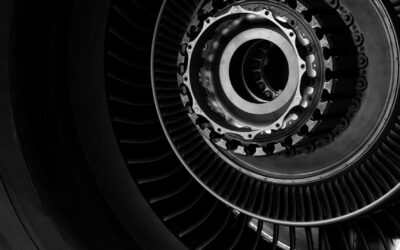
Aerospace 3D printing is moving from prototyping toward mission-critical production, enabling lighter, more complex aircraft and spacecraft components while reducing material waste, lead times, part counts, and supply-chain dependencies, though cost and certification remain key barriers.
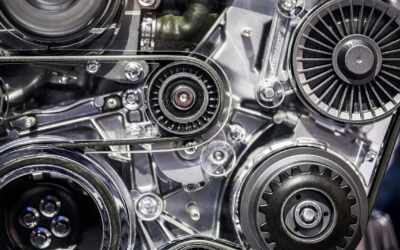
High-performance automotive shops are using Markforged continuous fiber and metal 3D printing to produce custom fixtures in under 24 hours, replacing labor-intensive fabrication and weeks-long machine-shop lead times.
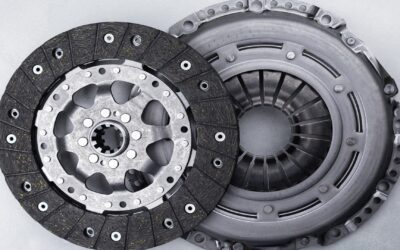
Automotive manufacturers are using additive manufacturing to accelerate product development, reduce tooling lead times, support low-volume production, and produce replacement parts on demand. This guide explores the key applications, benefits, challenges, materials, and technologies shaping automotive 3D printing, along with real-world examples of how manufacturers are putting additive manufacturing into practice.